Finding Your Perfect Pair: The Ultimate Guide to Running Shoes
Your running shoes aren't just footwear; they're your primary training partner, crucial for performance, injury prevention, and making every mile more enjoyable. Choosing the right pair is an investment in your health and running journey.
Why the Right Shoe Matters Ill-fitting or worn-out running shoes can lead to blisters, shin splints, knee pain, or worse. The right pair provides essential cushioning to absorb impact, stability to guide your foot's natural motion, and support tailored to your unique biomechanics. Think of them as shock absorbers for your body!
Choosing Your Ideal Running Companion
- Know Your Foot & Gait: This is paramount.
- Foot Arch: Do you have flat arches (overpronation), high arches (underpronation/supination), or neutral arches? Simple wet foot tests can help determine this.
- Gait Analysis: Visit a specialized running store for a gait analysis. Professionals watch how your feet move (pronate) when you run or walk, recommending stability shoes for overpronators, neutral cushioned shoes for neutral runners, or motion control shoes for severe overpronation. High-arched supinators typically need neutral shoes with good cushioning.
- Consider Your Running Surface:
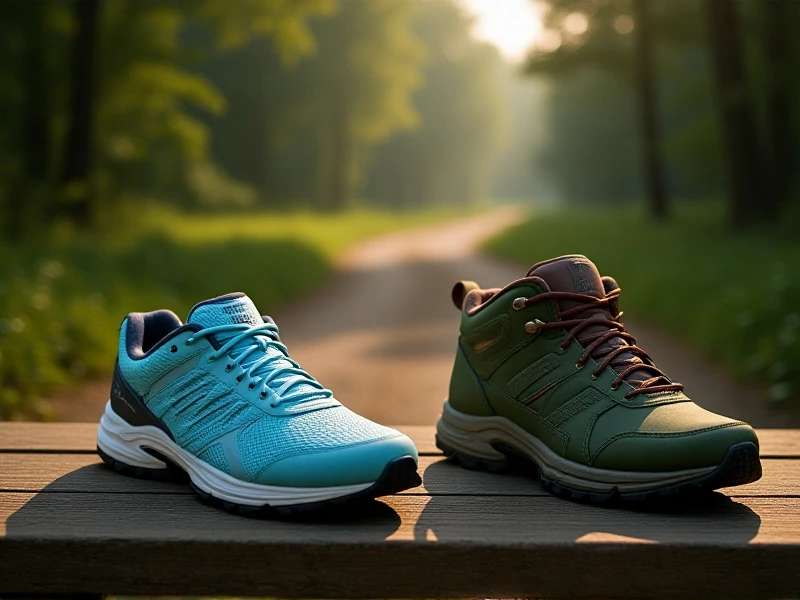
- Road Shoes: Designed for pavement, sidewalks, and treadmills. They are lightweight, flexible, and offer smooth cushioning. They make up the majority of running shoes.
- Trail Shoes: Built for off-road dirt, mud, rocks, and roots. Key features include aggressive outsoles (lugs) for traction, stiffer midsoles for rocky paths, and protective uppers (often water-resistant). They provide crucial ankle support on uneven terrain.
- Cross-Trainers: While suitable for gym workouts, they generally lack the specialized cushioning and support needed for dedicated running comfort and injury prevention over longer distances.
- Prioritize Fit & Comfort: Comfort is non-negotiable.
- Size: Running shoes often need to be half to one full size larger than your casual shoes to accommodate foot swelling (especially in warm weather).
- Toe Box: Ensure ample wiggle room for your toes (about a thumbnail's width between your longest toe and the shoe's end). Your toes should never feel cramped.
- Heel: Your heel should fit snugly without slipping excessively.
- Width: The shoe should feel secure across the midfoot without pinching.
- Timing: Try on shoes in the late afternoon when feet are naturally largest. Wear the socks you intend to run in.
- Feel: Trust the initial feeling of walking (or running briefly in-store if possible). A little initial snugness is expected, but any rubbing or pinching points will likely worsen dramatically over miles.
Maintaining Your Running Investment Running shoes aren't eternal. Replace them every 300 to 500 miles (480-800 km), or sooner if you notice worn-out tread, compressed or uneven cushioning, or any discomfort not resolved by lacing adjustments. Rotating two pairs extends each shoe's lifespan and lets them decompress. Clean off excess dirt and allow them to air dry after wet runs; never use direct heat like a dryer.
Your First Step Starts Here Finding the perfect running shoe requires knowing your needs. Visit reputable running specialty stores for expert analysis and trial. Invest in the shoes that feel great from the very first step. The right pair unlocks smoother, more comfortable, and ultimately, more rewarding miles. Your best runs begin with proper footwear – lace up your perfectly matched pair and hit the path!