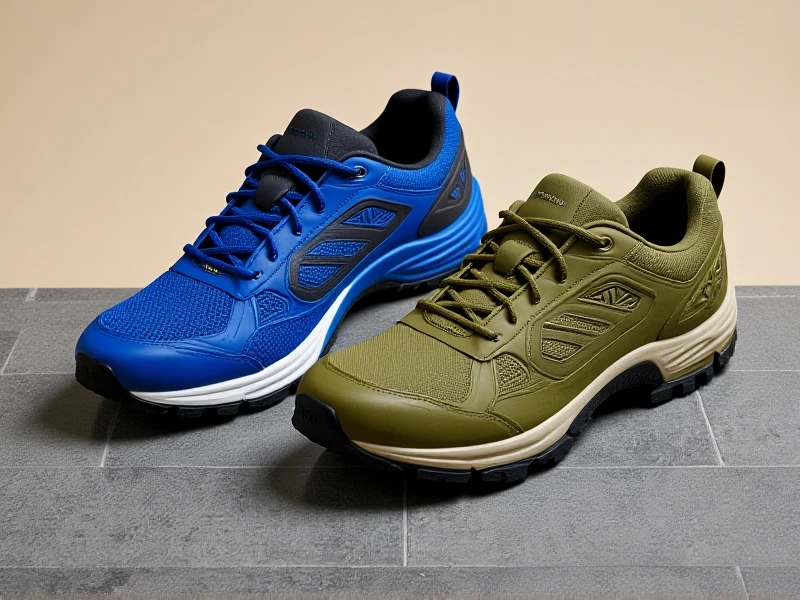
The Ultimate Guide to Choosing Hiking Shoes
Hitting the trails? Your feet are your foundation, and the right hiking shoes are absolutely crucial for comfort, safety, and enjoying every step of your adventure. Whether you're tackling rocky summits, muddy paths, or forested loops, investing in the perfect pair will transform your outdoor experience.
Terrain & Distance Dictate Design
The first step in choosing hiking shoes is honestly assessing the terrain you tackle most often and the distances you typically cover.
- Light Trails & Day Hikes: For well-maintained paths and shorter distances (under 5 miles), light hiking shoes (often low-cut like sneakers) offer breathability and flexibility. They're agile and comfortable for casual adventurers.
- Moderate Terrain & Multi-Day Hikes: If your hikes involve uneven ground, light scrambling, moderate elevation gain, or carrying a heavier pack (overnights), mid-cut hiking boots are the workhorse choice. They provide increased ankle support, stability, and protection from roots and rocks, essential for preventing fatigue on longer days.
- Rugged Mountains & Heavy Loads: For steep ascents/descents on rugged, off-trail terrain, significant backpacking loads, or challenging weather, sturdy backpacking boots (often high-cut) deliver maximum ankle support, unparalleled durability, and aggressive traction to handle demanding conditions.
Key Features for Performance & Comfort
Beyond the cut, focus on these critical features:
- Traction:
- Vibram® Soles: Known as the industry gold standard for durability and superior grip across diverse surfaces. Look for deep, multi-directional lugs designed to shed mud and bite into rock.
- Support & Stability:
- Shank: A semi-rigid insert (nylon, fiberglass, sometimes steel) between the midsole and outsole provides torsional rigidity. Prevents twisting on uneven ground, reducing fatigue and enhancing stability under load.
- Protection:
- Waterproof Membranes (GORE-TEX®/eVent®): Essential if you hike in wet conditions, cross streams, or encounter dew-soaked grass. Creates a barrier keeping feet dry from the outside. Understand these trap heat; choose lightweight, breathable membranes for warmer weather or opt for non-waterproof "quick-dry" shoes in hot/dry climates.
- Protective Toe Caps/Rand: Reinforced rubber (a "rand" around the shoe's base and toe cap) safeguards your feet from impacts and abrasions against rocks and roots.
- Fit & Comfort:
- Never Compromise: Try hiking shoes on in the afternoon (feet swell!) with the socks you intend to hike in. There should be a thumbnail's length from your longest toe to the boot end. Wiggle room for toes is vital. Ensure a snug heel holddown with minimal lift. Walk rigorously in-store on inclines if possible. Consider specific foot needs (wide sizes, arch support – after-market insoles like Superfeet are popular solutions).
Trusted Brands
Reputable brands consistently deliver quality hiking footwear tailored to different needs:
- Merrell: Known for excellent comfort straight out of the box, versatility, and value, catering well to casual and day hikers.
- Salomon: Excels in lightweight performance, innovative designs (like the SensiFit™ system for precise foot wrapping), and superb traction, popular with technical hikers and trail runners moving to boots.
- Keen: Offers superior durability (especially toe boxes), foot protection, and tends to suit wider feet well. Their waterproofing is highly regarded.
- Lowa: Focuses on premium construction, exceptional support/stability under load, and durability, a top choice for serious backpackers and mountain hikers.
- Oboz: Praised for their incredible stability and supportive, unique "O Fit" insoles designed around trail performance.
Proper Care = Longevity
Extend the life of your investment! After hikes, remove insoles, brush off dirt/mud, and let shoes air dry fully away from direct heat/stoves. Periodically clean with specific products and reapply protective sprays as directed.
Choosing the right hiking shoes is the most important gear decision before heading outdoors. Prioritize fit, support, and traction suited to your adventures. Head to a reputable outdoor retailer, try several options, and lace up the perfect pair designed to carry you confidently over your next horizon.