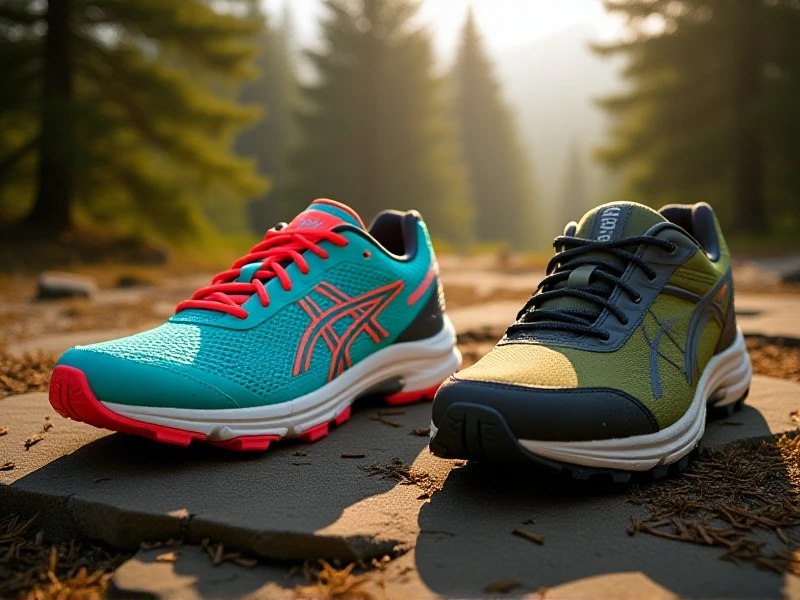
Discover the Perfect Running Shoes for Your Next Adventure
Running shoes are more than just footwear; they're your trusty companion on every journey, whether you're tackling a neighborhood jog, training for a marathon, or simply enjoying a sunrise run. Choosing the right pair can make all the difference in comfort, performance, and injury prevention. As a seasoned runner myself, I've learned that investing in quality running shoes pays off with every stride. If you're new to the sport or upgrading your gear, let's dive into the essentials to help you find the perfect fit.
First off, why are proper running shoes so crucial? Well, they provide essential support and cushioning that absorbs impact, reducing stress on your joints and muscles. Over time, poorly fitted shoes can lead to issues like shin splints or stress fractures—experience I've seen sideline even the most dedicated runners. Quality running shoes enhance your stride efficiency, helping you run longer and faster. Plus, with lightweight materials and breathable fabrics, they keep your feet cool and dry, even on intense, sweaty runs. Always look for models with features like responsive midsoles and durable outsoles tailored to your specific terrain—be it roads, trails, or tracks.
When selecting running shoes, consider the different types available. For instance, neutral cushioning running shoes offer balanced support for runners with neutral gaits, perfect for everyday use. Stability running shoes are great if you have mild overpronation, as they prevent excessive inward rolling. Minimalist options are lighter and promote a natural foot strike but may not suit beginners. For trail enthusiasts, trail running shoes come with aggressive treads for grip on uneven paths. I recommend getting a gait analysis at a specialty store before buying; it helps pinpoint your foot arch and pronation issues. Brands like Nike, Adidas, and Brooks excel in innovative designs—aim for comfort and feel in fitting sessions.
To ensure a great fit, think about your foot measurement and activities. Always try on running shoes in the afternoon when your feet are slightly swollen, like after a short warm-up run. Aim for a thumb's width of space at the toe end to avoid blisters during long runs, and test them on a treadmill if possible. Remember, running shoes typically last 300-500 miles before needing replacement, so track your mileage. With the right pair, you'll notice improved energy and fewer aches. In closing, take the time to find shoes that align with your personal stride—it transforms running from a chore into pure joy. Share your story on Instagram or Twitter—how have the right running shoes changed your routine? Happy running! (Approx. 420 words)